中藥方劑治療僵直性脊椎炎之先導性臨床試驗
魏正宗1、許清祥、游恆懿、謝長奇2、李采娟2、詹明修3
1中山醫學大學附設醫院過敏免疫風濕科、中藥臨床試驗中心;2中國醫藥大學中西結合研究所;3中山醫學大學醫學系微免科
Background. There are still many unmet needs in the treatment of ankylosing spondylitis (AS) among present therapies including non-steroid anti-inflammatory drugs (NSAID), disease-modifying anti-rheumatic drugs (DMARD), thalidomide and anti-tumor necrosis factor (TNF a).
Aim. To exploratorily test TCM formulas in the treatment of patients with AS.
Methods. Sixty AS patients were enrolled in this 12 weeks’ trial. Thirty-six patients with active AS, defined by Bath Ankylosing Spondylitis Disease Activity Index (BASDAI) > 3 cm in spite of 6 weeks’ NSAID treatment, were randomized to receive same NSAID alone, sulfasalazine add-on or TCM formula 小活絡丹 add-on. The other 24 patients with inactive late-stage AS, defined by BASDAI < 3 and Bath Ankylosing Spondylitis Functional Index (BASFI) > 2 cm, were randomized to receive龜鹿二仙膠 or左歸丸. Primary endpoint was the ASAS response criteria in intend-to-treat analysis. Secondary endpoints were BASDAI, BASFI, Bath Ankylosing Spondylitis Global Index (BAS-G), quality-of-life (QOL), ESR, HS-CRP and IgA. Cytokines level, including TNFa, IL-10 and TGFb in serum or peripheral blood mononuclear cell culture supernatant, were assayed by ELISA.
Results. Fifty-six patients completed this 12 weeks’ trial. Four patients dropped out due to poor compliance. In the active AS patients, 33.33% of NSAID arm, 41.67% of sulfasalazine arm, and 16.67% of小活絡丹 arm fit the ASAS response criteria. In the inactive AS patients, 8.3% of龜鹿二仙膠 and 25% of 左歸丸 reach the ASAS response criteria. Patients with左歸丸 got significant improvement in BASFI (p=0.018)and QOL score(p=0.024) but not BASDAI, ESR, HS-CRP, IgA. No significant differences were found in the cytokines level. No significant adverse events were found in all TCM groups.
Conclusions. In active AS patients, NSAID and sulfasalazine were superior than小活絡丹. In inactive AS patients, 左歸丸 revealed promising benefit. Further double blind placebo controlled trials are necessary.
星期三, 2月 15, 2006
Traditional Chinese Medicine in the Treatment of Patients with Ankylosing Spondylitis: A Randomized Case-Control Pilot Study.
想收到最新的疾病衛教與醫學研究文章?
訂閱最新文章通知
訂閱:
張貼留言 (Atom)
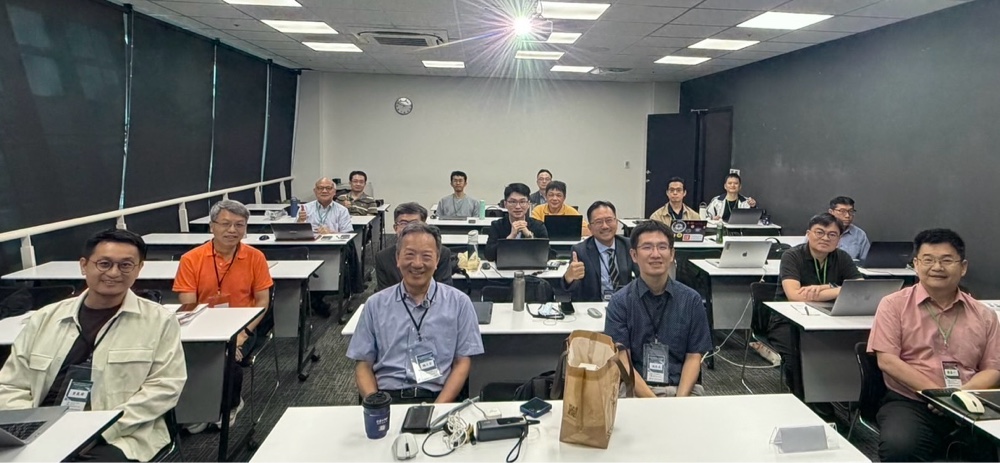
[Autosaved] 「AI 輔助醫學論文寫作實戰」研習會在風雨飄搖、颱風威脅下,於台中高鐵站集思會議中心順利舉行。
今天,「AI 輔助醫學論文寫作實戰」研習會在風雨飄搖、颱風威脅下,於台中高鐵站集思會議中心順利舉行。 儘管天候不佳,仍有近50位學員透過實體與線上方式熱情參與。從課堂發問、實務討論到經驗分享,交流十分踴躍,充分展現大家對AI研究工具與醫學論文寫作的高度熱忱。 感謝每一位講師的傾囊...
沒有留言:
張貼留言